

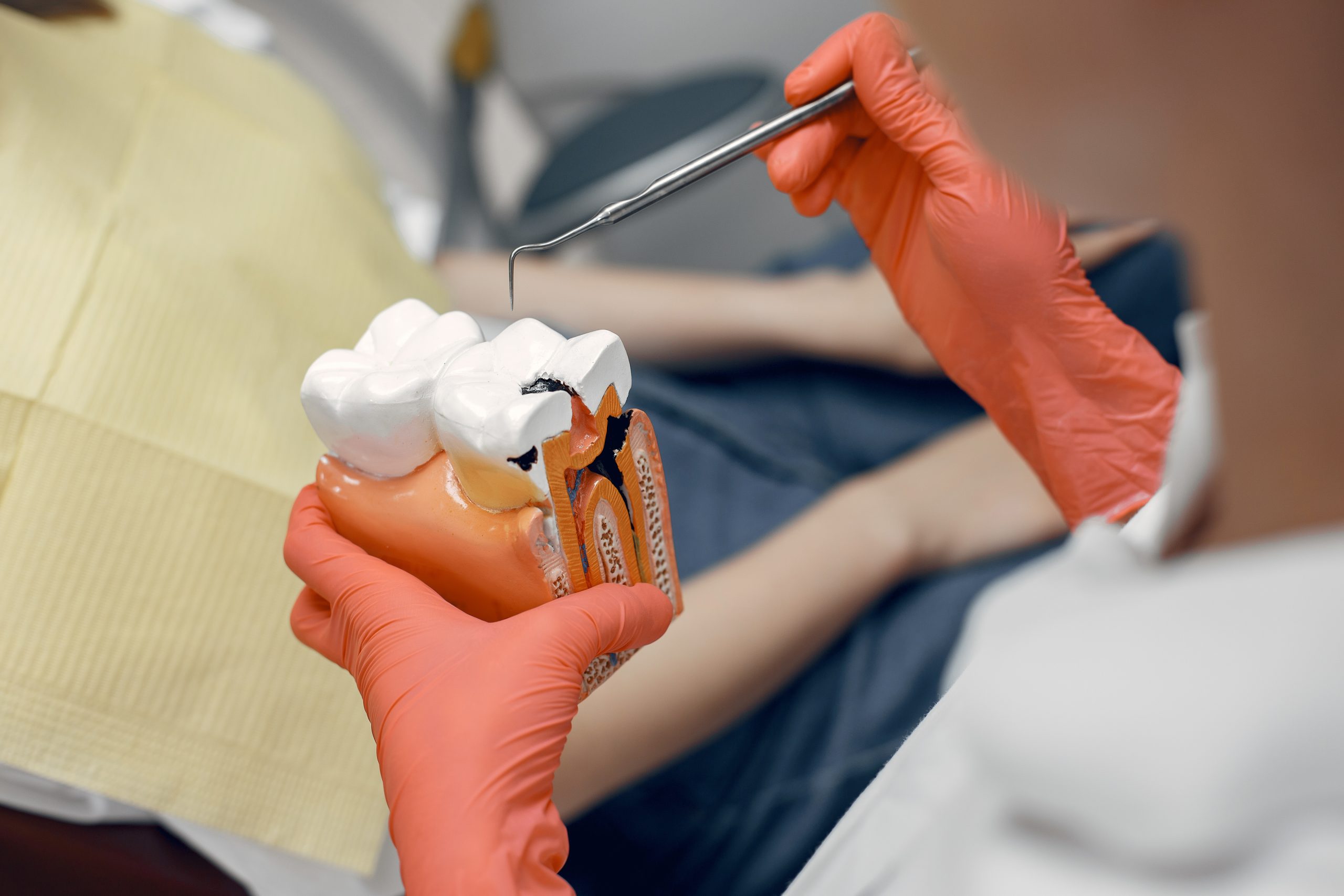
For many people, the mere mention of a “root canal” brings about immediate anxiety and visions of intense discomfort. This fear often stems from outdated stories or depictions in popular media that do not reflect today’s clinical reality.
You would often stumble around and ask questions like does root canal therapy hurt during the procedure in a modern dental setting. The treatment is designed to eliminate the severe pain caused by a dental infection, not to cause it.
With the right care, the experience is remarkably similar to getting a routine filling.
Why Do People Fear This Tooth-Saving Treatment?
Despite the high success rates of the procedure, several myths about root canal therapy pain continue to circulate and cause unnecessary worry. Many people believe that the process is a long, agonizing ordeal that involves pulling out the “nerves” while the patient is fully feeling the sensation.
In reality, the infected pulp is removed while the tooth and surrounding area are completely numb.
Another common misconception is that it is better to pull the tooth; however, keeping your natural tooth is always the healthier and less painful long-term choice for your jaw and bite.
Searching for root canal therapy in Ottawa will show you that most modern clinics focus heavily on patient comfort. By using digital imaging and precise tools, clinicians can perform the work faster and with much less vibration than in the past.
These improvements mean you spend less time in the chair and experience a much more relaxed environment than you might expect.
Advancements in Numbing and Patient Care
The shift in how patients feel during dental work is largely due to modern root canal therapy pain management techniques that have evolved significantly over the last decade.
Dentists now use advanced local anesthetics that work faster and deeper than ever before.
- Electronic Anesthesia Delivery: This ensures the numbing agent is administered at a steady, painless pace.
- Rotary Endodontics: These specialized tools allow for a quieter and smoother experience compared to traditional manual files.
- Sedation Options: For those with high anxiety, nitrous oxide or oral sedatives can be used to create a state of total calm.
- Precision Imaging: Digital X-rays allow the doctor to see the exact anatomy of the canals, reducing the time needed for the surgery.
Fact vs. Myth: Understanding the Reality
| The Myth | The Medical Fact |
| The treatment causes illness or systemic disease. | There is no scientific evidence linking root canals to other illnesses. |
| It is an extremely painful surgical process. | Patients are 6 times more likely to describe it as “painless” than those who haven’t had one. |
| A root canal kills the tooth permanently. | The tooth is “non-vital” but remains functional and anchored in your jaw. |
| Extraction is a better, easier alternative. | Replacing a missing tooth is more expensive, more invasive, and more painful. |
Finding the Right Professional for Your Care
The key to a comfortable experience is choosing a provider who understands both the technical and emotional sides of dentistry.
When you look for a dentist in Ottawa, you should find someone who takes the time to explain the steps and answer your questions.
A good clinician will never start the work until they are certain that you are fully numb and comfortable.
This level of communication helps lower your heart rate and allows the anesthetic to work more effectively, as stress can sometimes make it harder for the body to relax.
What Should You Expect During the Recovery?
Once the numbing wears off, you might feel some mild tenderness in the area, but this is usually from the jaw being open or from the natural healing of the gums.
Finding a dentist near you is helpful because they can provide quick follow-up care if you have any questions about the healing process.
Most patients find that over-the-counter pain relief is more than enough to manage any slight sensitivity for a day or two. Compared to the throbbing, constant ache of an infected tooth, this minor post-op feeling is a massive relief.
Tips for a Stress-Free Appointment
- Communicate Early: Tell the staff if you are nervous so they can offer extra support or sedation.
- Avoid Caffeine: Skipping coffee before your visit can help keep your nerves steady.
- Bring Headphones: Listening to music or a podcast can help drown out the sounds of the dental clinic.
- Follow Aftercare: Stick to soft foods for a few days to avoid putting pressure on the temporary filling.
Restore Your Smile Without the Fear
Modern dental technology has turned what used to be a scary procedure into a routine, comfortable way to save your natural teeth. There is no reason to suffer through dental pain when a simple, safe solution is available.
By understanding the facts and moving past the old myths, you can make the best choice for your health and your future. Our team is dedicated to providing a gentle, supportive environment where your comfort is our top priority.
At Asnan Dental, we believe in helping our patients keep their natural smiles for a lifetime through expert care and compassion.
Are you tired of dealing with tooth pain and ready for relief? Contact Asnan Dental today to book your consultation and see how easy a root canal can be!
Frequently Asked Questions
Can I go back to work immediately after the visit?
Yes, most people return to their normal activities the same day, though your mouth will stay numb for a couple of hours.
Why does a tooth need a root canal if it doesn’t hurt yet?
Sometimes an infection is found during an X-ray before it reaches the nerve; treating it early prevents an abscess from forming.
How long does the entire procedure typically take?
Depending on the complexity of the tooth, the treatment usually takes between 60 and 90 minutes.
Is it normal for the tooth to feel “different” after the procedure?
It may feel slightly different for a few days because the internal inflammation is healing, but it will soon feel just like your other teeth.